Key Metrics in Web Performance Monitoring
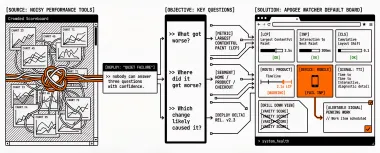
The key metrics in web performance monitoring are Core Web Vitals plus a short supporting set, deploy deltas, and alertable signals. Here is what belongs on the dashboard, and what to leave off.
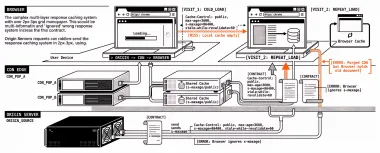
Set Cache-Control by content type: long immutable TTLs for fingerprinted assets, revalidatable HTML, and CDN rules that match origin headers so TTFB and LCP gains survive the next deploy.
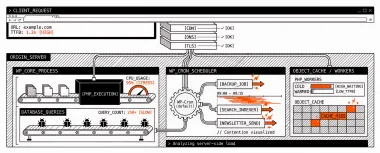
When CDN and theme work fail to reduce TTFB, the bottleneck is often origin compute: WP-Cron storms, cold PHP workers, missing object cache, database load, and backup plugins during peak. Here is a server-side checklist for WordPress sites.
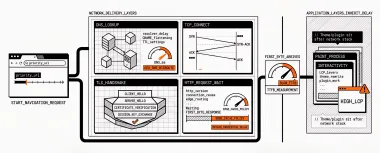
Walk the request path before you rewrite the theme: DNS, TLS, HTTP, connection setup, CDN routing, and cache rules, and how each layer shows up when you try to reduce TTFB in lab tools.
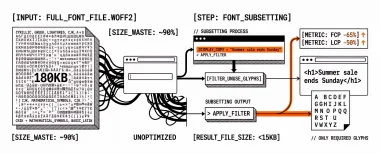
Web fonts carry your brand, but full character sets often waste kilobytes on every page view. Font subsetting keeps only the glyphs you need so LCP and First Contentful Paint improve without dropping custom typography.
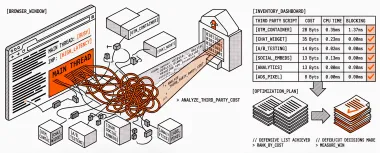
How to find which tags and widgets cost you LCP, INP, and main-thread time, then fix or fence them without stripping analytics you still need.
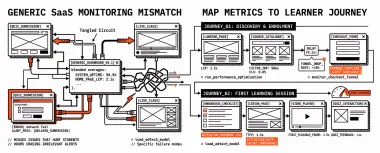
EdTech products run across very different user journeys, from course discovery to live lessons and assignment uploads. This guide shows which performance metrics matter at each stage, and how to monitor them without creating alert noise.
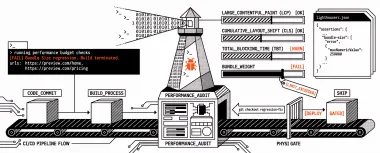
Turn performance budgets into automated gates: what to enforce in CI, how to wire Lighthouse CI with assertions, and how that fits next to ongoing monitoring in production.
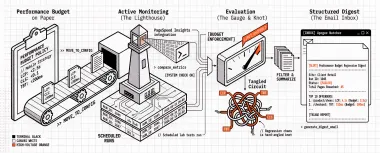
How Apogee Watcher turns performance budgets into email digests: per-site thresholds, mobile and desktop strategies, cooldowns, and what lands in your inbox after each test run.
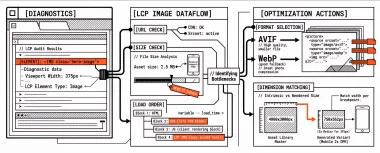
Largest Contentful Paint often comes down to one big image. Here is how to pick formats, size for the viewport, wire responsive images, and verify the win—without guessing.
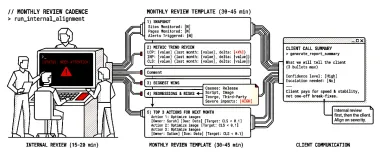
Run better client performance reviews with one repeatable monthly template: what changed, what regressed, what to fix next, and who owns each action.
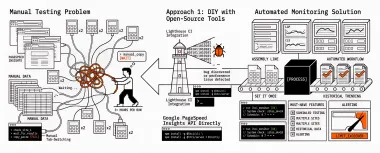
Manual PageSpeed testing doesn't scale when you manage many sites. Automated monitoring runs tests on a schedule and stores results so you can track performance across your portfolio.