Nginx vs Apache: What Is Best for TTFB?
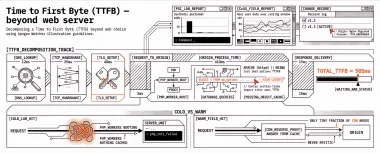
Neither Nginx nor Apache wins Time to First Byte by brand name. Configuration, TLS, PHP and application work, caching, and distance dominate, so measure the same URL before you migrate.
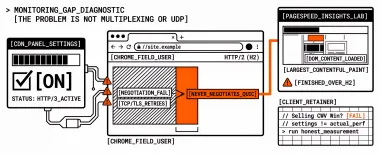
Enabling HTTP/3 at the edge is not the same as proving http3 performance in PageSpeed Insights or CrUX. Here is how HTTP/2 vs HTTP/3 and QUIC change TTFB and load behaviour, what lab tools actually negotiate, and what agencies should put in the client report after the toggle.
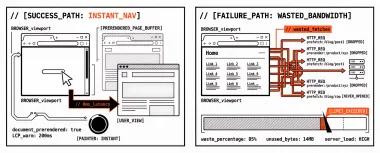
The Speculation Rules API lets Chromium browsers prefetch or prerender the next page before the click finishes. Used carefully, next navigation feels faster. Used loosely, you burn bandwidth and muddy first-visit Core Web Vitals. Here is how agencies choose mode, eagerness, and exclusions without guessing.
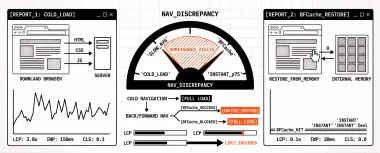
BFCache restores a frozen page from memory on back and forward. Cold PageSpeed Insights misses that path; pageshow.persisted, unload, Cache-Control no-store, and the Lighthouse bf-cache audit show what actually happens.
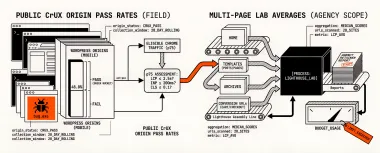
WordPress Core Web Vitals benchmarks for 2026: public CrUX pass-rate context plus a 381-site multi-page lab sample from Watcher WordPress clients (median mobile Performance 62, median lab LCP 7.5 s).
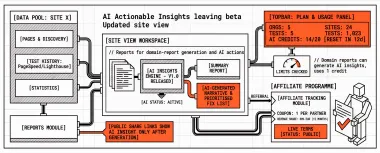
Site-level AI actionable insights leave beta, an updated site view, the Watcher affiliate programme at 30% for twelve months, free-check without email first, quota warnings with topbar usage, Starter PDF reports, and CSV export for site test results.
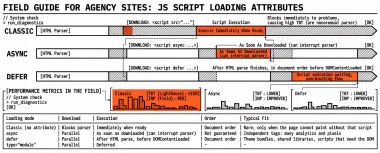
Defer vs async scripts explained for INP and Total Blocking Time: when each attribute fits, how modules load by default, common tag-manager mistakes, and how to verify the change in Lighthouse.
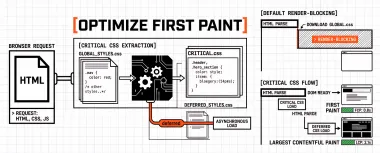
Critical CSS is the small set of styles needed for above-the-fold paint. Extract it with Coverage, inline it carefully, defer the rest, and verify with dated lab runs so “eliminate render-blocking” is not a guess.
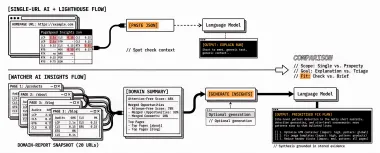
Apogee Watcher’s site-level AI actionable insights leave beta: generate prioritised fix guidance from a domain-report snapshot, with monthly AI credits on Personal+ plans, plus an updated site view that keeps tests, pages, discovery, and reports in one place.
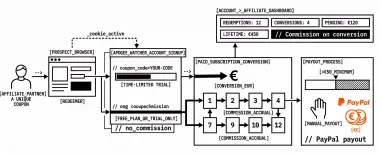
The Watcher affiliate programme pays 30% of attributed subscription revenue in EUR for twelve months after a referred customer converts to paid. One coupon per partner, a 30-day hold, and a €50 minimum PayPal payout.
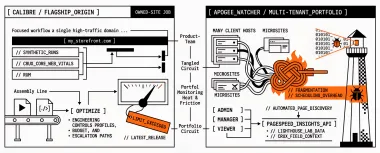
Agencies comparing Calibre and Apogee Watcher need a clear job split: Calibre for continuous synthetic plus RUM on owned high-traffic sites; Watcher for multi-tenant PageSpeed Insights monitoring, discovery, and agency roles at a lower entry price. Here is when to pick each, and when to run both.
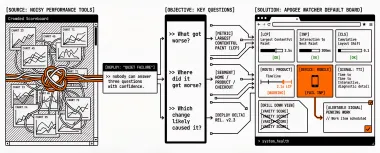
The key metrics in web performance monitoring are Core Web Vitals plus a short supporting set, deploy deltas, and alertable signals. Here is what belongs on the dashboard, and what to leave off.