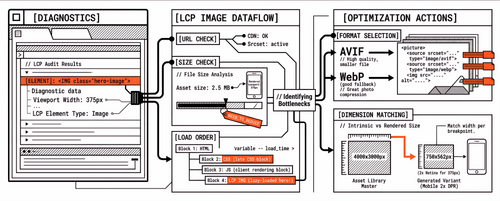
Image Optimisation Strategies for Better LCP Scores
Largest Contentful Paint often comes down to one big image. Here is how to pick formats, size for the viewport, wire responsive images, and verify the win—without guessing.
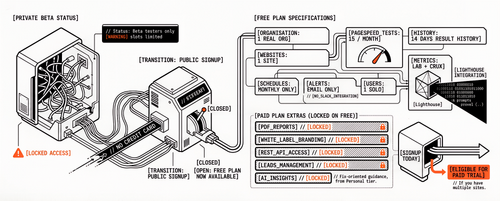
Apogee Watcher’s Free plan: what you get (one site, 15 tests a month, monthly schedules, email alerts), what stays on paid tiers, and why we are opening sign-up before full public launch.
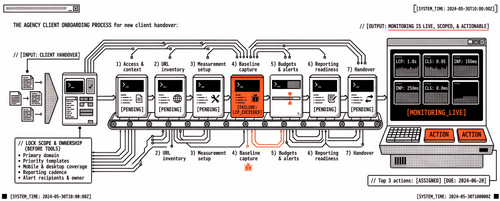
A practical onboarding checklist for agency teams: what to collect, what to test first, and how to set up performance monitoring without missing critical pages.
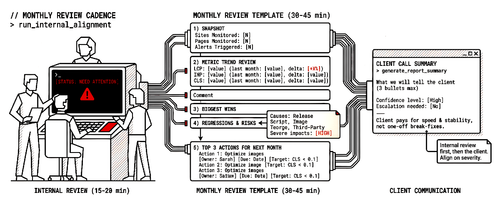
Run better client performance reviews with one repeatable monthly template: what changed, what regressed, what to fix next, and who owns each action.
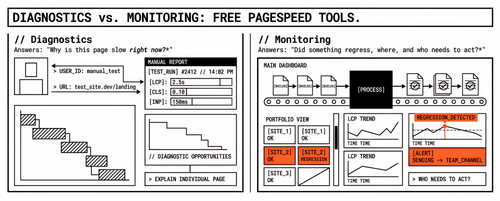
A practical comparison of free PageSpeed monitoring tools: where each one helps, where each one breaks at scale, and when teams move from diagnostics to managed monitoring.
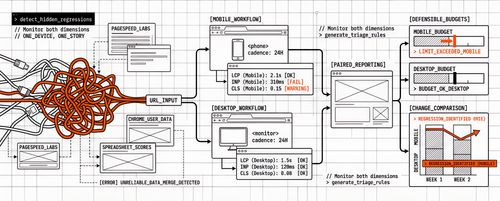
Mobile and desktop Core Web Vitals can tell different stories. Here’s how to monitor both so your reports stay accurate and your fixes stay prioritised.
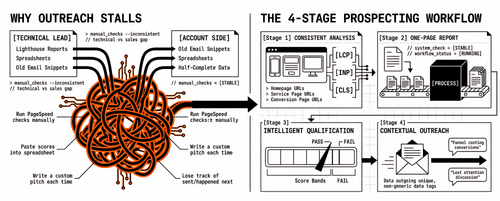
Use a repeatable PageSpeed prospecting workflow to move from raw URLs to qualified leads: analyse mobile and desktop, generate one-page reports, segment by score band, and run focused outreach.
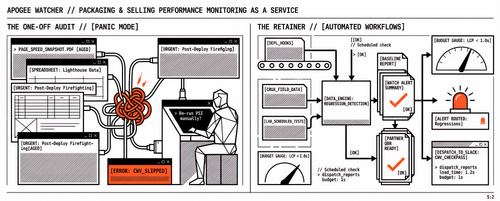
Package web performance as a paid service: separate audits from retainers, price against risk, and prove value with data clients can forward—not endless manual PSI runs.
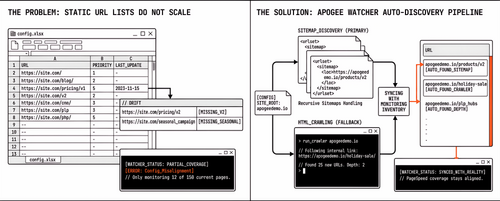
You cannot monitor what you have not listed. For a single marketing site, that list might live in a spreadsheet. For an agency with dozens of properties, each with new landing pages, campaign paths, and refactors, the list rots within weeks. Someone adds /pricing/v2 and nobody updates the monitor.
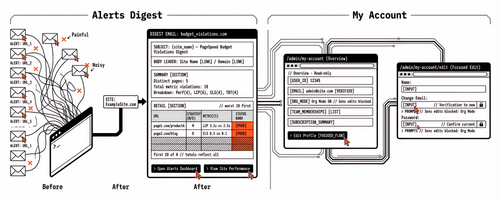
In the first half of March we focused on how alerts reach admins and self-service account management, while still doing testing and collecting feedback from our beta testers. Alerts — site-level budge...
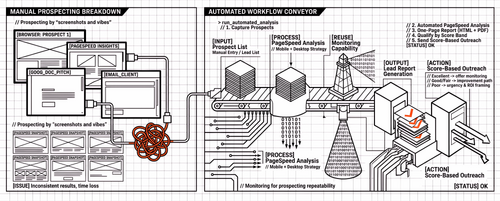
Turning performance monitoring into new business is mostly a workflow problem: find prospects, run consistent audits, turn results into a shareable one-page snapshot, and send score-band outreach. This post outlines the process and shows what to reuse from your monitoring approach.
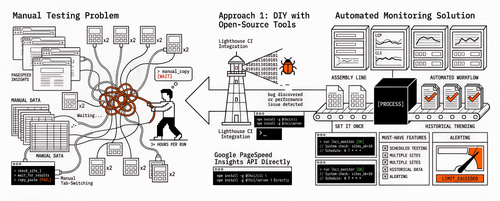
Manual PageSpeed testing doesn't scale when you manage many sites. Automated monitoring runs tests on a schedule and stores results so you can track performance across your portfolio.
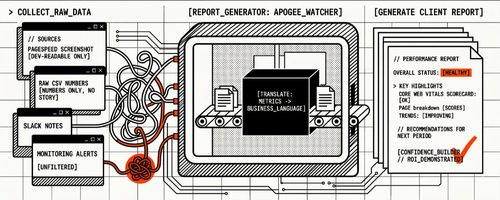
You spend hours cobbling performance updates for clients and they still don't get the story. This outline gives you a client-ready report structure: status, scorecard, trends, and next steps — so you send reports that build confidence instead of confusion.
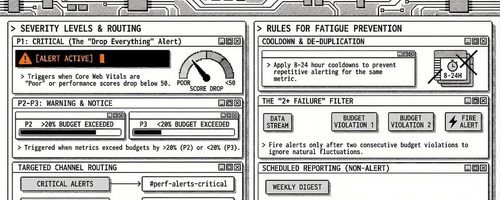
Alert fatigue and unclear severity: you don't know when to page someone versus when to backlog. This template gives you a clear policy including severity levels, channels, cooldowns, and response steps so your team knows what to do and when.
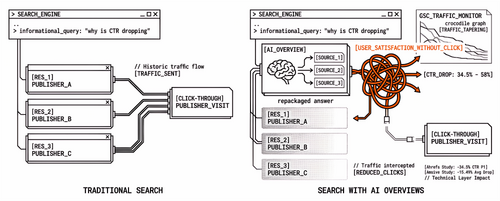
AI Overviews don't create clicks—they reduce them. Two large studies, from Ahrefs and Amsive, have put numbers to what many site owners already feel: organic traffic from informational queries is dropping, and AI Overviews are a major factor.