Changelog #7: Test result reporting, domain lead reports, and dashboard visibility
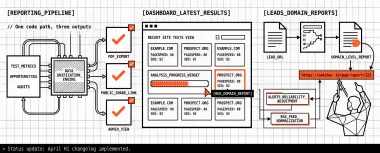
Shared payloads for PDF and public PageSpeed reports, a latest-tests dashboard widget, domain-level lead reports, tighter alert reminders, and RSS full-text fixes.
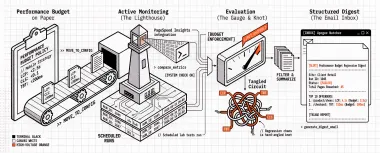
How Apogee Watcher turns performance budgets into email digests: per-site thresholds, mobile and desktop strategies, cooldowns, and what lands in your inbox after each test run.
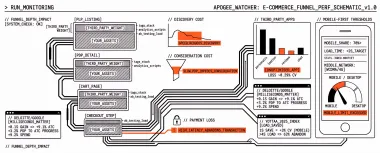
Retail sites live or die on speed at the funnel steps where money changes hands. Here is which metrics to watch, what the research says about revenue impact, and how to monitor PLPs, PDPs, and checkout without drowning in noise.
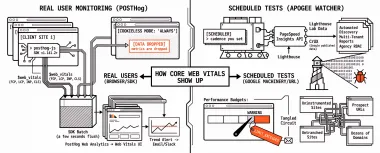
PostHog measures Core Web Vitals from browsers that run `posthog-js`; Apogee Watcher runs scheduled PageSpeed Insights tests with no script on the site. Alerts and “budgets” in PostHog mean trends and insight maintenance; in Watcher they mean monitoring thresholds on test results. When to use one, the other, or both.
GTmetrix is a strong lab debugger; Apogee Watcher adds multi-site monitoring plus optional PageSpeed-backed lead prospecting—an honest split of strengths, limits, and when to use both.
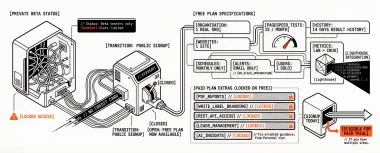
Apogee Watcher’s Free plan: what you get (one site, 15 tests a month, monthly schedules, email alerts), what stays on paid tiers, and why we are opening sign-up before full public launch.
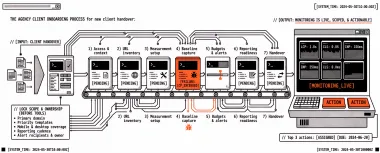
A practical onboarding checklist for agency teams: what to collect, what to test first, and how to set up performance monitoring without missing critical pages.
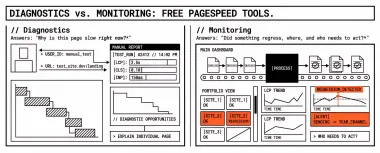
A practical comparison of free PageSpeed monitoring tools: where each one helps, where each one breaks at scale, and when teams move from diagnostics to managed monitoring.
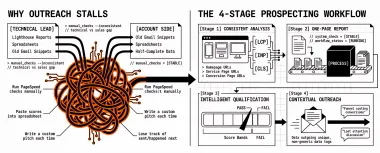
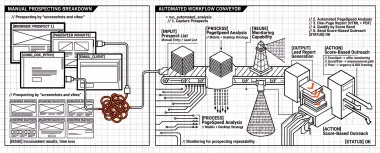
Use a repeatable PageSpeed prospecting workflow to move from raw URLs to qualified leads: analyse mobile and desktop, generate one-page reports, segment by score band, and run focused outreach.
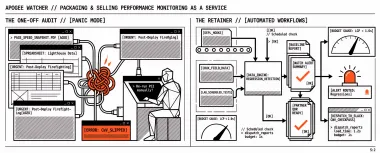
Package web performance as a paid service: separate audits from retainers, price against risk, and prove value with data clients can forward—not endless manual PSI runs.
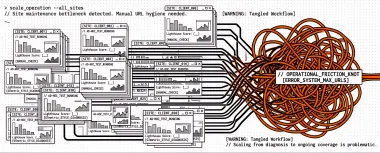
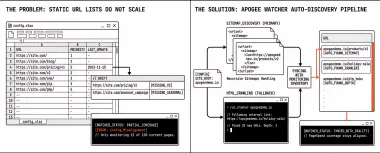
You cannot monitor what you have not listed. For a single marketing site, that list might live in a spreadsheet. For an agency with dozens of properties, each with new landing pages, campaign paths, and refactors, the list rots within weeks. Someone adds /pricing/v2 and nobody updates the monitor.
Turning performance monitoring into new business is mostly a workflow problem: find prospects, run consistent audits, turn results into a shareable one-page snapshot, and send score-band outreach. This post outlines the process and shows what to reuse from your monitoring approach.