Core Web Vitals Benchmarks for Shopify Stores (2026 Data)
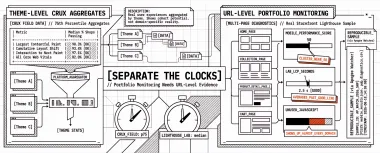
Shopify Core Web Vitals benchmarks for 2026: theme-level CrUX context, a 64-store multi-page lab sample from Watcher Shopify leads, and a famous DTC cohort you can re-measure.
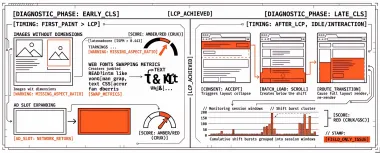
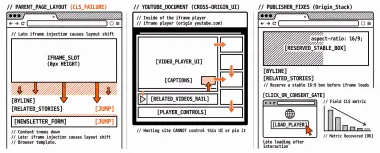
Early CLS comes from load-time sizing and fonts; late CLS comes from dynamic injection, route changes, and interaction-heavy UI. Here is how to split the signal, reproduce cumulative layout shift after load in the lab, and fix what field data actually measures.
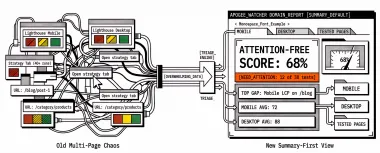
Shared domain reports in Apogee Watcher now open on a Summary tab with an attention-free score: the share of completed lab tests that pass Performance, category scores, and Core Web Vitals gates on mobile and desktop. Triage a portfolio from one screen and share `#summary` links in outreach.
YouTube iframes often drive Cumulative Layout Shift, but cross-origin content limits what you can attribute and fix. Reserve the slot, use a facade or lite embed, and verify with lab plus field monitoring.
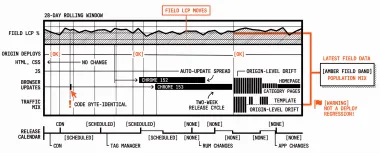
Chrome is moving to a two-week Stable cadence from Chrome 153. A 28-day CrUX window can blend multiple browser majors, so field LCP can shift with no app deploy. Here is how to annotate browser releases, set sample thresholds, and report population mix honestly.
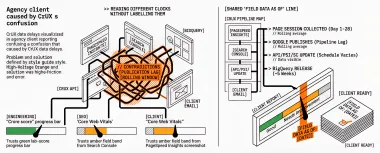
CrUX field data can lag behind deploys for two different reasons: Google's publication schedule and the 28-day rolling window. Here is how to set client expectations, label reports with collection dates, and use synthetic monitoring while field numbers catch up.
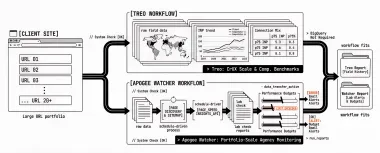
Treo excels at large CrUX URL budgets, competitor benchmarking, and years of field history. Apogee Watcher focuses on scheduled PageSpeed monitoring, automated discovery, and agency roles at a lower entry price. Here is an honest split and when to use both.
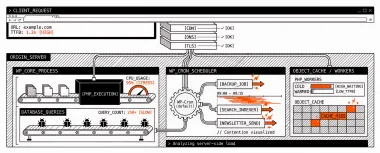
When CDN and theme work fail to reduce TTFB, the bottleneck is often origin compute: WP-Cron storms, cold PHP workers, missing object cache, database load, and backup plugins during peak. Here is a server-side checklist for WordPress sites.
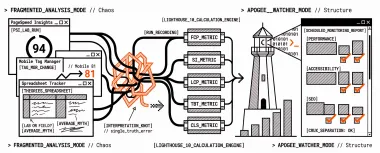
What a Google Lighthouse score means: scoring curves, Lighthouse 10 weights, good-score bands, lab vs CrUX, and why Lighthouse 13.6 can raise PageSpeed Insights scores when the site has not changed.
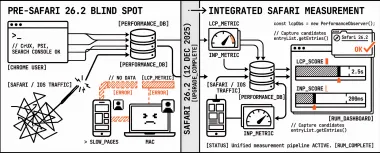
Safari 26.2 exposes Largest Contentful Paint and Event Timing so you can measure LCP and INP for Safari users. Here is how to collect those metrics, and which Chrome-only reports still leave iOS out.
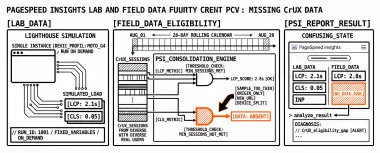
PageSpeed Insights can show lab CLS and INP while field data is missing. Here is why CrUX omits metrics, how origin vs URL eligibility works, and what to do next.
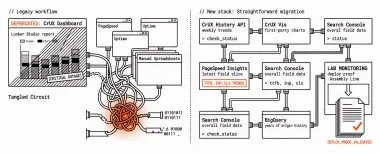
Google retired the CrUX Dashboard in November 2025. Here is the migration path for TTFB, INP, CLS, and field history via CrUX Vis, the History API, PageSpeed Insights, and BigQuery.