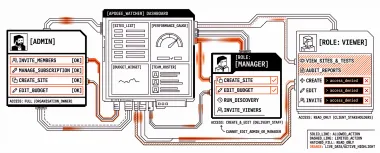
Product Spotlight: Team Roles and Access Control in Apogee Watcher
Admin, Manager, and Viewer roles per organisation: who can change sites and budgets, who can invite colleagues, and how read-only mode works when a subscription lapses.
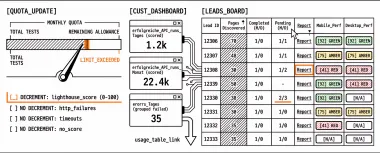
Tests counted only when PageSpeed returns a performance score, clearer failed runs, richer columns on the leads board, a full-screen lead analysis view, and improvements in our site.
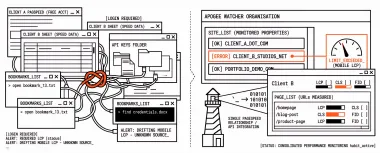
How Apogee Watcher organises every client site under one account: one place for tests, results, and budgets, without a separate log-in or API key per property.
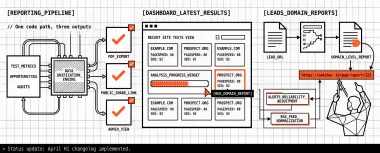
Shared payloads for PDF and public PageSpeed reports, a latest-tests dashboard widget, domain-level lead reports, tighter alert reminders, and RSS full-text fixes.
How Apogee Watcher turns performance budgets into email digests: per-site thresholds, mobile and desktop strategies, cooldowns, and what lands in your inbox after each test run.
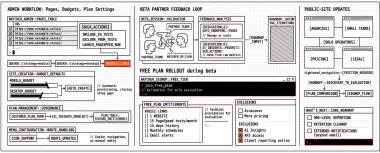
This changelog covers the second half of March. The main thread was Watcher platform operations: faster admin workflows for page management, reliable budget defaults across all site creation flows, an...
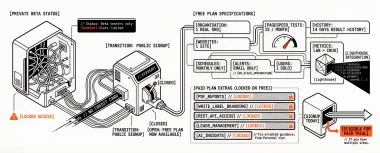
Apogee Watcher’s Free plan: what you get (one site, 15 tests a month, monthly schedules, email alerts), what stays on paid tiers, and why we are opening sign-up before full public launch.
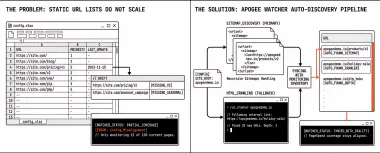
You cannot monitor what you have not listed. For a single marketing site, that list might live in a spreadsheet. For an agency with dozens of properties, each with new landing pages, campaign paths, and refactors, the list rots within weeks. Someone adds /pricing/v2 and nobody updates the monitor.
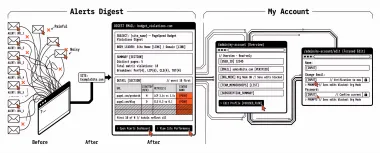
In the first half of March we focused on how alerts reach admins and self-service account management, while still doing testing and collecting feedback from our beta testers. Alerts — site-level budge...
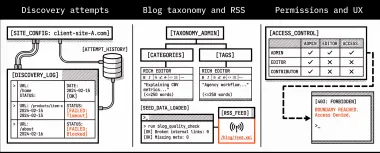
In the second half of February, we polished the blog, added RSS, made discovery visible in the admin, and cleaned up permissions and UX. No single blockbuster—just a solid set of improvements that make the product more usable and the blog more useful.
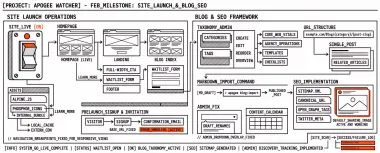
The first half of February was dominated by one milestone: we brought the site online. The homepage, landing, and blog are live for testing and early-access signups, and we’ve started to add the structure that will make the blog and content side of Apogee Watcher useful for our users and for search.
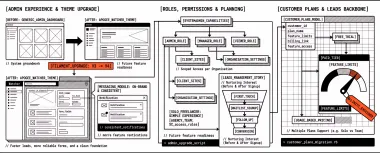
In the second half of January, we focused on upgrading the admin experience, making the product look and feel like one product, and laying the groundwork for how we’ll handle plans and leads.